

First published on 3 de Febrero de 2026 • Last updated on Febrero 3, 2026
This page may contain affiliate links; if you purchase through them,
we may receive a small commission at no extra cost to you.
We respectfully acknowledge that the Sacramento National Wildlife Refuges sits on the ancestral lands of the Nisenan, Southern Maidu, Valley and Plains Miwok/Me-Wuk, and Patwin Wintun peoples. These communities have cared for and sustained this region for countless generations and continue to shape its cultural and ecological landscape. We honor the continued presence, resilience, and cultural contributions of these Indigenous Nations, including the Wilton Rancheria and the Yocha Dehe Wintun Nation.
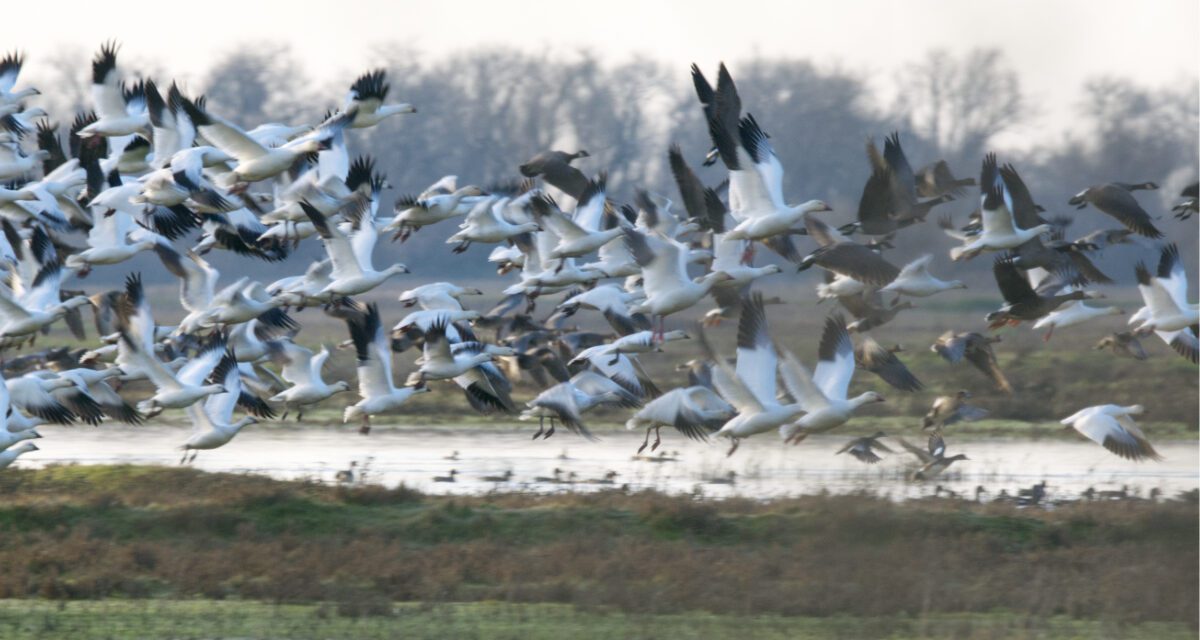
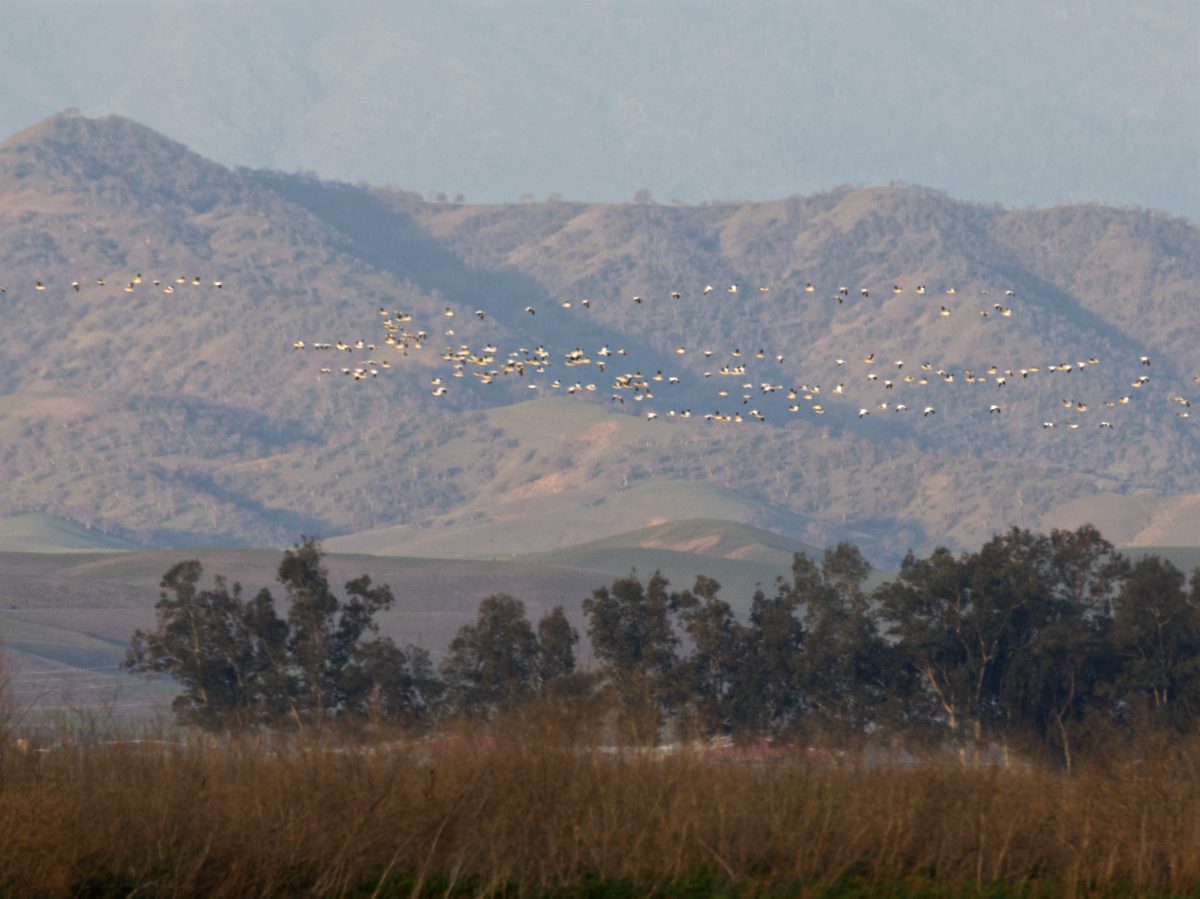
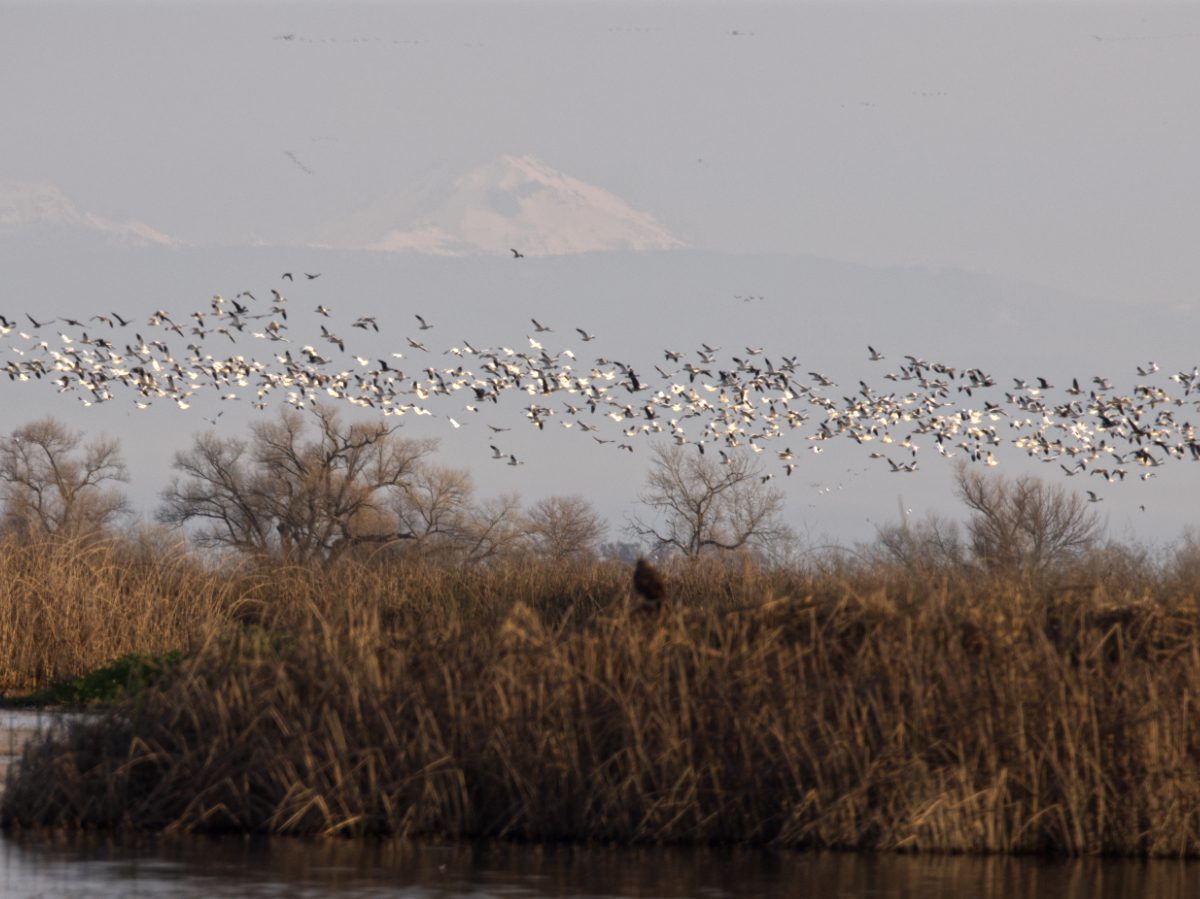
Every time Scott and I make the drive home from visiting my parents in Northern California, one roadside stop pops into our heads — and just as often gets skipped: the Sacramento National Wildlife Refuge. But this time, we planned ahead, loading binoculars and camera gear with one big goal in mind: to see one of the largest migrations of snow geese along the Pacific Flyway.
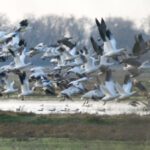
We pulled off Interstate‑5 just after 7:30 a.m., an easy hour from where we’d been visiting. The refuge was ours — the quiet still‑unfolding light, the faintest wash of pink in the sky behind the welcome sign, and a few early arrivals on the ponds. And more geese were coming in, wingbeats slicing the crisp morning air and landing in shallow ponds just beyond the road, even across I‑5.
Why Snow Geese Visit Northern California
The Sacramento Valley lies along the Pacific Flyway, a major north‑south migration corridor that stretches from Alaska to Mexico. Each fall and winter, hundreds of thousands of migratory birds – especially waterfowl like snow geese, ducks, and swans – funnel here to spend the colder months in California’s milder wetlands, flooded rice fields, and refuge habitats.
According to the U.S. Fish and Wildlife Service, migrating waterfowl begin arriving as early as September, with goose numbers often peaking in late November and December — a spectacular time to visit. Late January wasn’t so bad either.
Our Route Through the Sacramento NWR
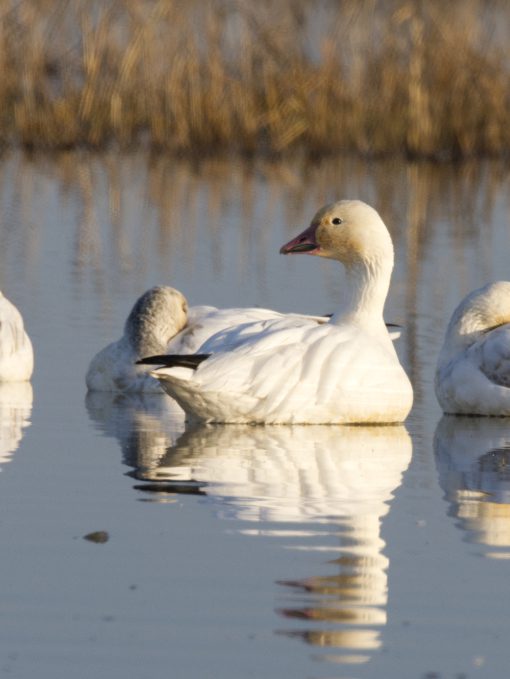
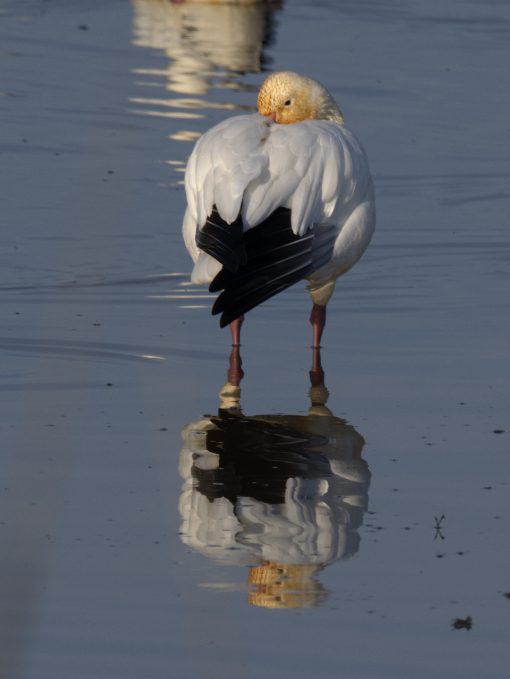
We chose the auto tour so we could linger and soak it all in. The morning light was just bright enough to start and, as the sun rose, opportunities for well lit shots only improved. At first we tried counting snow geese by pond and in the air… and quickly gave up. Tens, then hundreds, maybe thousands of white shapes took off and landed in ponds near and far. That honking! It fell across the wetlands like an aural blanket, drowning out the sounds of the nearby highway.
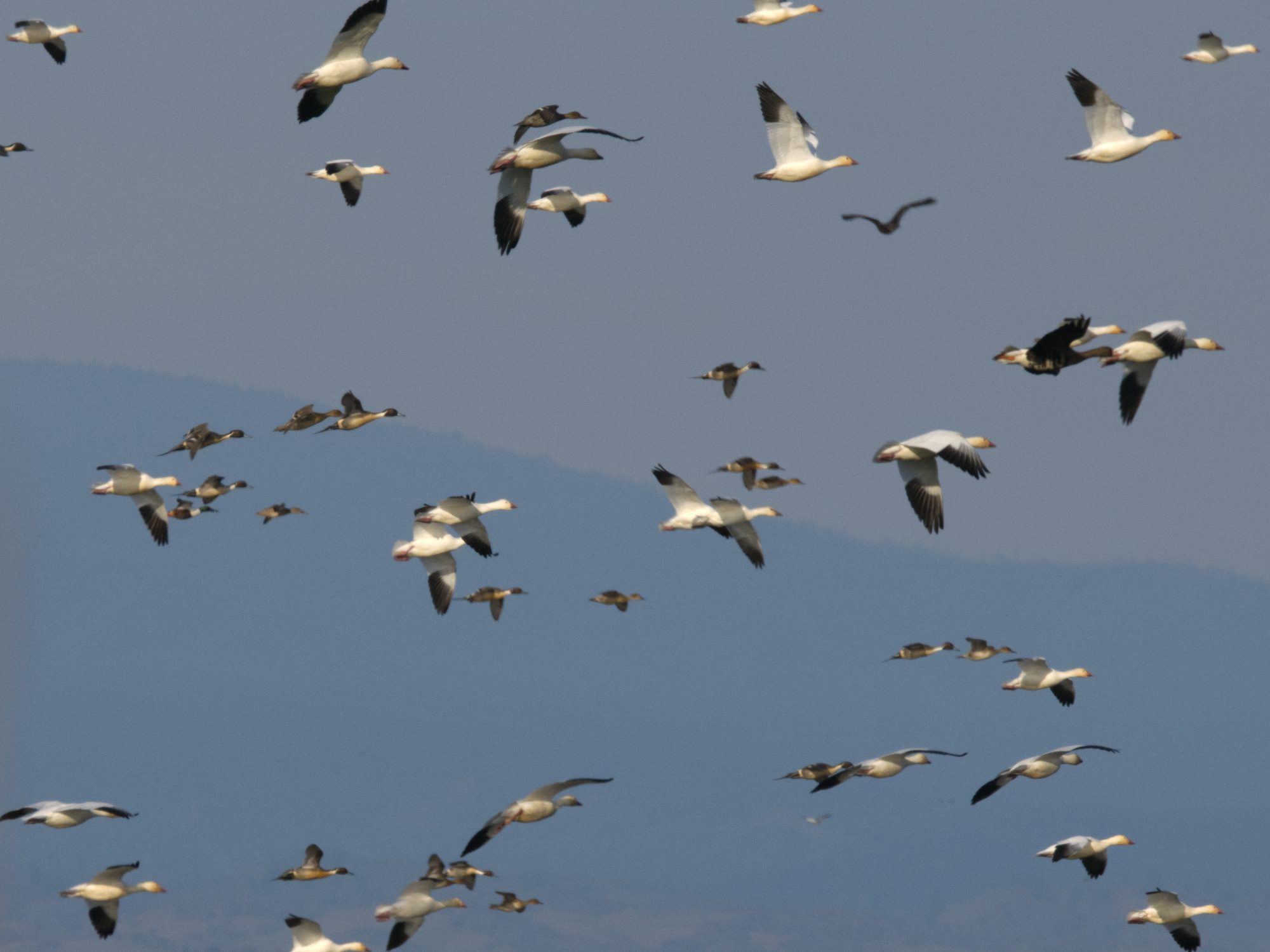
Once we realized flight counts were more work than play, we shifted focus to other birds as well. Among the Snow Geese were Greater White-fronted Geese, a larger, darker cousin. But in the ponds, we saw so many ducks, like shoveler, teal, and pintail. Our favorite, the Bufflehead, a small black and white duck, dotted the area, usually too far for excellent photos but each sighting through the binoculars sparked joy. A new duck for us was the Common Goldeneye. While we had likely seen it before, we had never identified one for ourselves. And then we had those often lesser-appreciated species the Pied-Billed Grebe and the American Coot (sounds like a John Cougar Mellencamp song title).
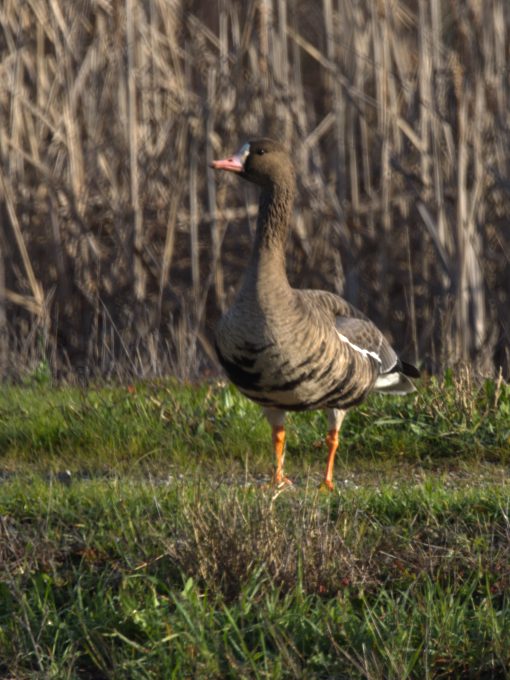
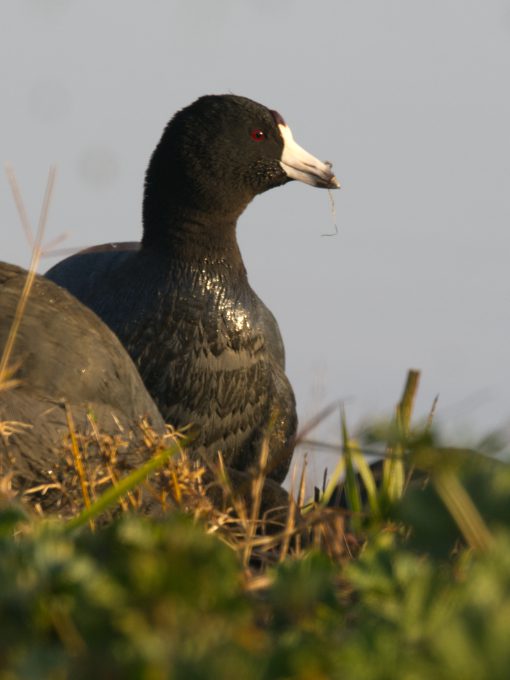
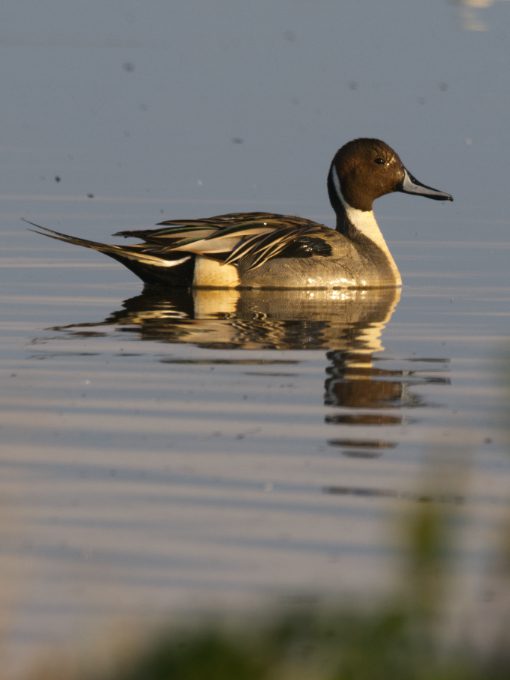
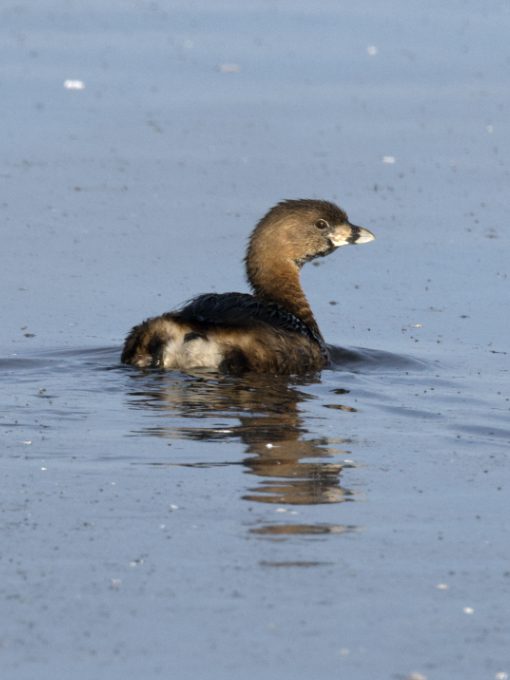
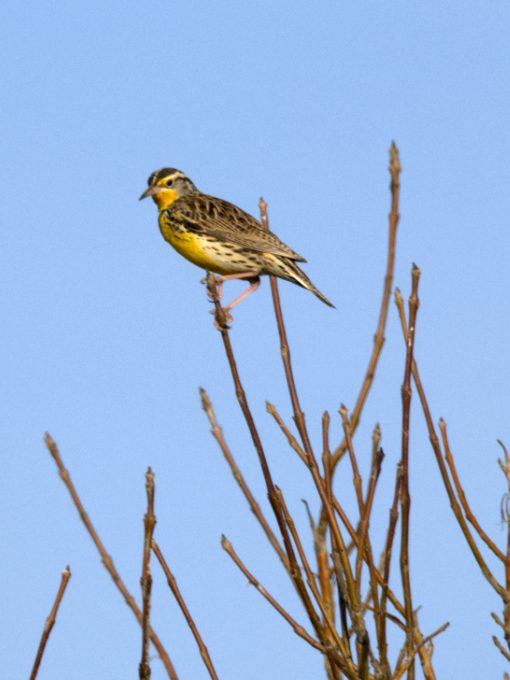
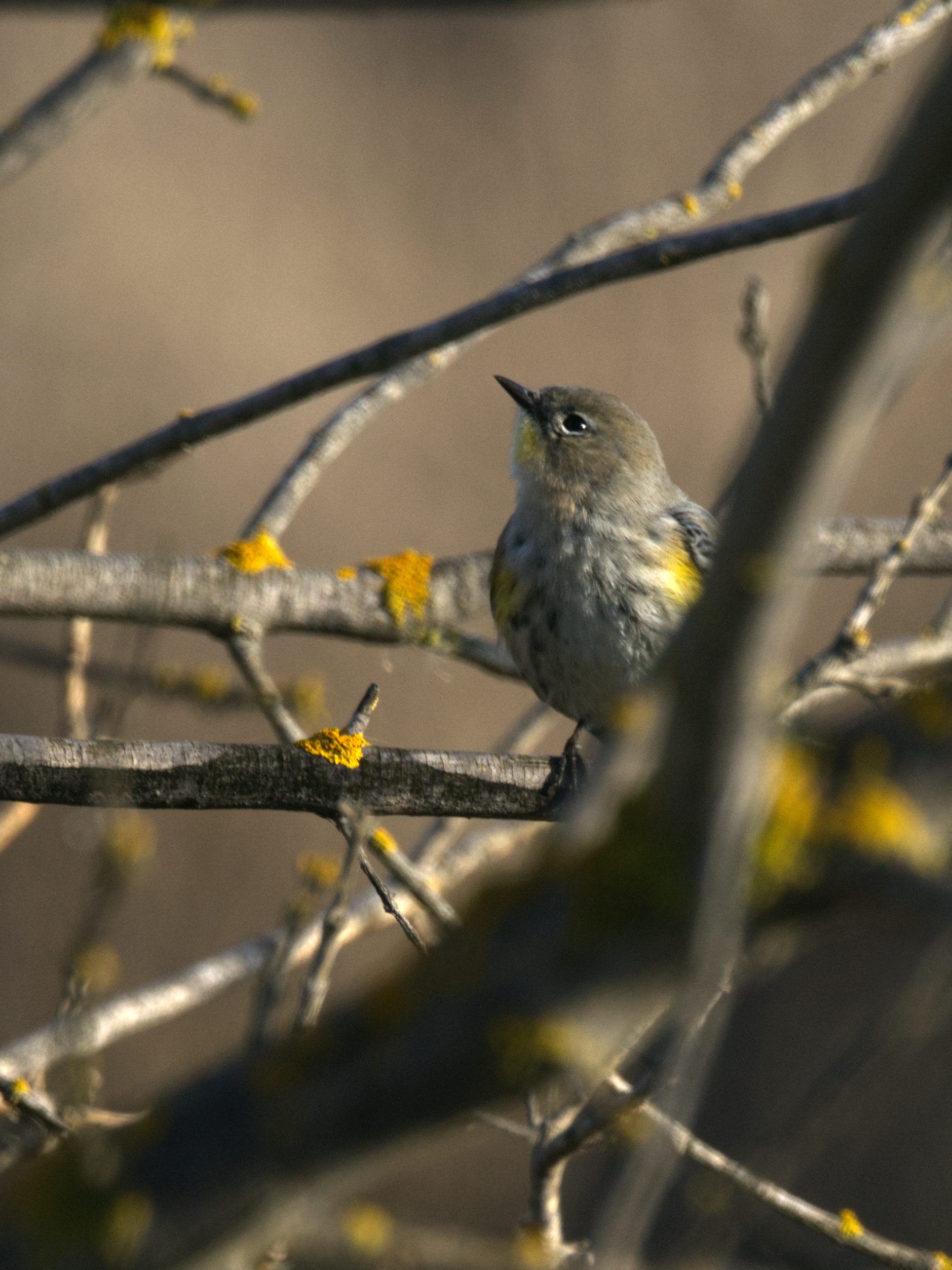
The soundtrack of the day wasn’t only honking. There were melodic songs wafting with the light breeze — the cheerful trill of Western Meadowlarks and the unmistakable chorus of Red‑winged Blackbirds occasionally broke through. We saw dozens of unidentified sparrows as they flitted through the dried grass and along the edges of the unpaved road. On the backside of the route, we saw lots of little Yellow-rumped Warblers jumping along the bare trees and bushes, forage gleaning for insects.
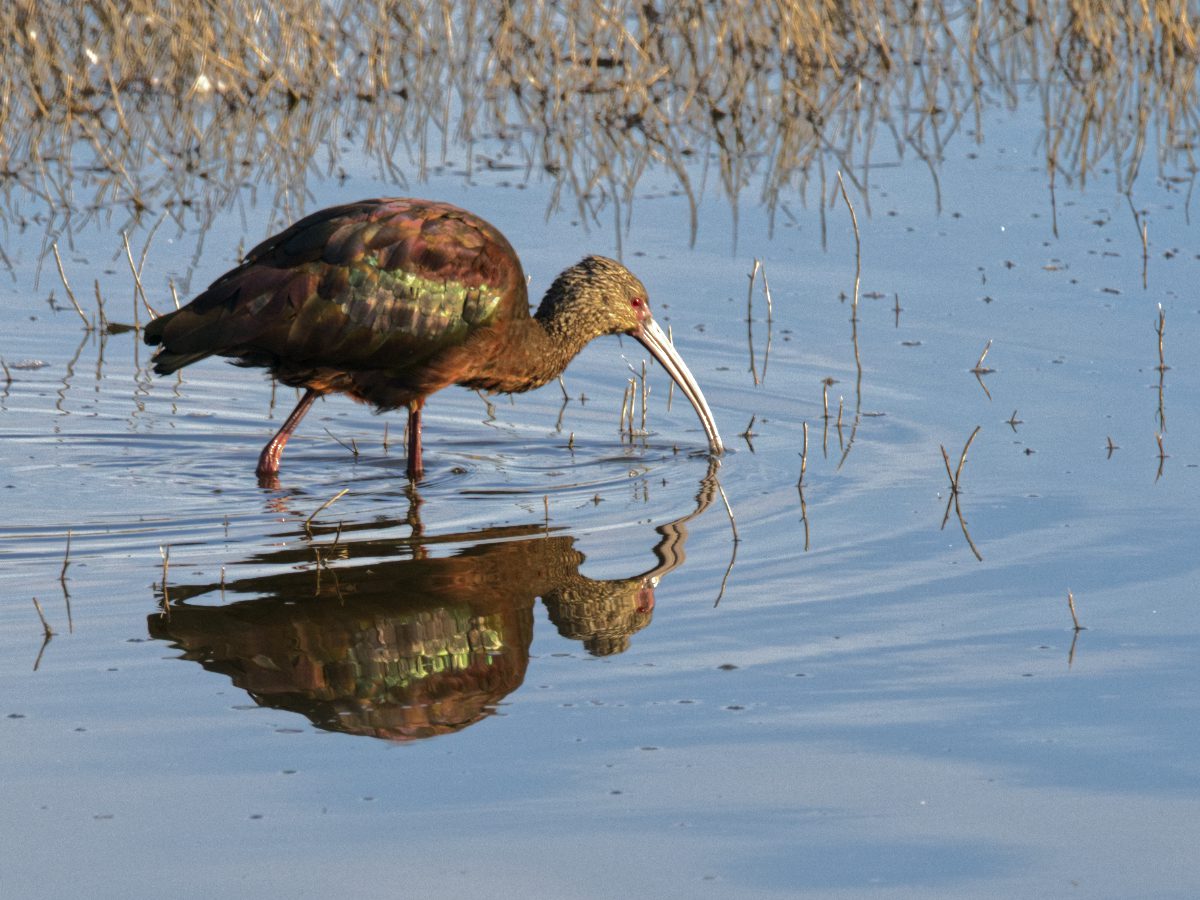
While the vast majority of photos were taken from the car, the auto route provided a couple of spots to park and observe from viewing stands. For this, I was grateful as I captured my favorite photo of the day at one of the stops, a White-faced Ibis feeding in the shallow water, its elegant beak and deep copper and iridescent green feathers shimmering in the morning light.
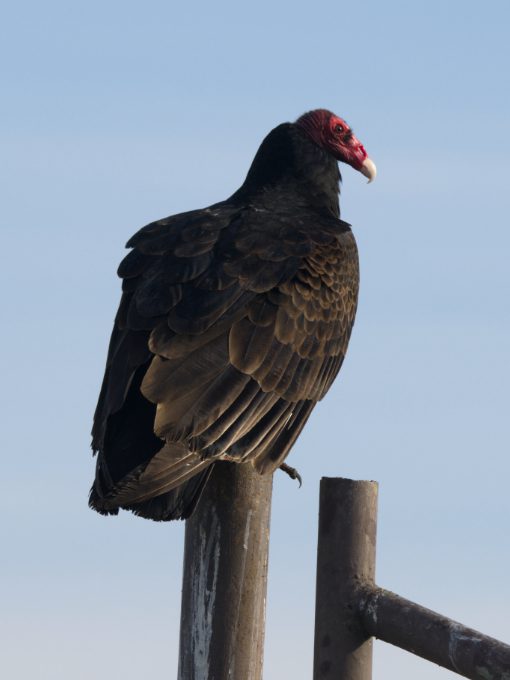
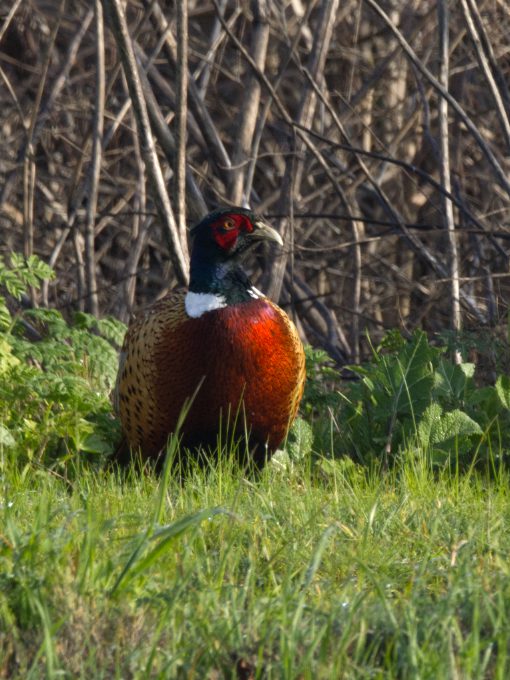
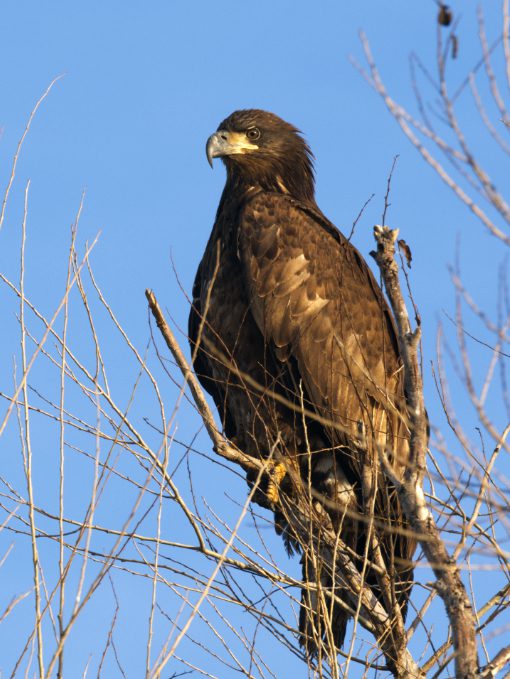
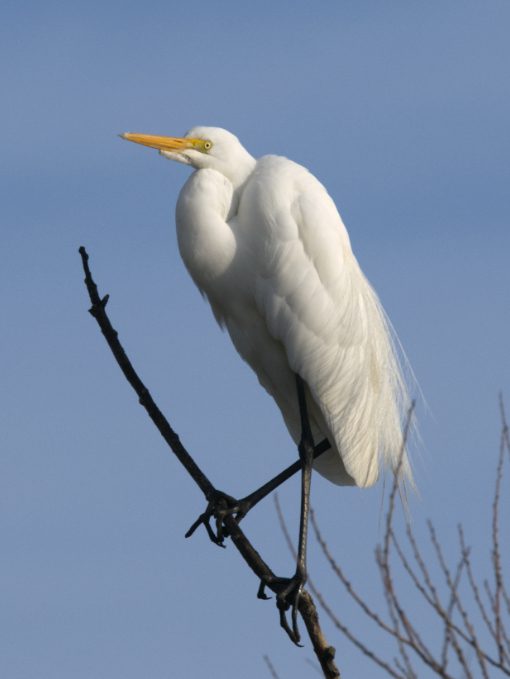
By the time we pulled around the final bend, our list sat at 35 species — from familiar faces like Turkey Vultures and House Finches, to standouts like stately Bald Eagles, Ring-necked Pheasant, and a Great Egret posing atop the bare branches of a slender tree.
A Side Trip Worth Taking
We ended up spending just over two hours on our detour, which made the trip home a bit longer than usual — but so worth it. For those looking for a quicker break, the refuge still makes a great stop on a longer road trip: there’s a public restroom that stays open even when the Visitor Center doesn’t, and a short walking trail to stretch tired legs.
It’s not an official highway rest stop — but on one of the flattest stretches of I‑5, it sure feels like one with way better views.
Staying the Night near the Sacramento NWR
If you’re planning a longer road trip or are the kind of birder who loves catching the golden hours of dawn and dusk, spending the night near the Sacramento National Wildlife Refuge is a smart choice. The small town of Willows, just a few minutes’ drive from the refuge entrance, offers a convenient base with several lodging options, casual dining spots, and quick access to supplies. Whether you’re setting up for sunrise photography, planning a return visit the next day, or just need a restful stop on your I-5 journey, staying in Willows makes it easy to turn a quick visit into a more immersive experience.