

First published on Diciembre 5, 2025 • Last updated on Enero 5, 2026
This page may contain affiliate links; if you purchase through them,
we may receive a small commission at no extra cost to you.
Scott takes a closer look at travel insurance options for destinations in South America, including Ecuador, Peru, and Colombia. He follows up with three recommendations for companies that we partner with – because if you decide to purchase travel insurance, we want you to have enough information to make an informed decision.
Travel Insurance 101 for South American Travelers
When I first started digging into travel insurance, I thought it was mostly about canceling a trip and getting your money back. But it turns out, there’s a lot more to it. Travel insurance isn’t just one thing — it’s a bundle of different types of coverage, each designed to protect you from specific risks while you’re away from home.
Here are a few of the most common types:
- Trip cancellation or interruption insurance – Helps recover non-refundable costs if your plans change unexpectedly.
- Medical travel insurance – Covers emergency healthcare while abroad (important if your regular insurance doesn’t extend internationally).
- Medical evacuation insurance – Pays for transport to the nearest appropriate hospital or even repatriation home if needed.
- Baggage loss or delay insurance – Reimburses you if your belongings are lost, damaged, or delayed.
Each type comes with its own fine print — eligibility requirements, exclusions, and destination-specific clauses. That’s why it’s important to look closely at the details of any policy you’re considering.
Insurance Is All About Risk Tolerance
Whether or not you need travel insurance really comes down to how much risk you’re comfortable with. Like it or not, the odds of something going wrong are higher in places where infrastructure isn’t great — and that covers a lot of South America.
Before buying any new policies, it’s worth checking out what coverage you might already have. Many travelers don’t realize that their credit cards, homeowner’s insurance, or even tour operators may already offer some level of protection. That said, this coverage often comes with limitations. For example, coverage might only apply if you booked the trip using that specific card, or it might exclude things like medical evacuation or adventure sports.
Our advice: confirm what insurance you already have access to before buying any of the policies we talk about below.
Trip Cancellation Insurance for South American Travel
Before the pandemic, most of us didn’t give much thought to trip cancellation. Then came the mass shutdowns — and suddenly, we were all dealing with lost flights, unrecoverable deposits, and companies that either couldn’t or wouldn’t refund anything.
These days, more South American tour operators expect travelers to carry their own trip cancellation insurance. It covers you when the unexpected happens — whether that’s a personal emergency, a natural disaster like a volcano eruption, or another global event.
Angie and I usually purchase cancellation coverage for our flights. We’re less likely to use it for lodging — but we also have close relationships with many of the folks we book with, and they’ve been willing to work with us when things come up.
Our advice: Always read the fine print before you book. Some providers have flexible cancellation policies, others don’t — and that’s where cancellation insurance can make all the difference.
Medical Travel Insurance for South America
Our own health insurance includes international coverage, so this isn’t a huge concern for us. But not all plans are as generous. For example, if you’re on Medicare, it won’t cover care outside the U.S. — which means you’ll need to look at a travel-specific medical policy, just in case.
Some countries, like Ecuador, technically require proof of medical insurance for entry. That said, we’ve never been asked to show any paperwork at the border.
The good news? Basic healthcare in places like Ecuador, Peru, and Colombia is usually very affordable, even for international visitors. We’ve seen good quality care at surprisingly low cost. But if you need more advanced treatment, or want access to the best hospitals, that can get pricey fast.
If you’re older, have pre-existing conditions, or just don’t want to worry about the “what-ifs,” it might be worth picking up a policy that covers medical care and evacuation.
Our advice: Start by calling your current health insurance provider. Ask if you’re covered abroad and what’s included. If coverage is limited, they may offer a supplemental plan — and that could save you money compared to buying a whole new policy from someone else.
Medical Evacuation Insurance in South America
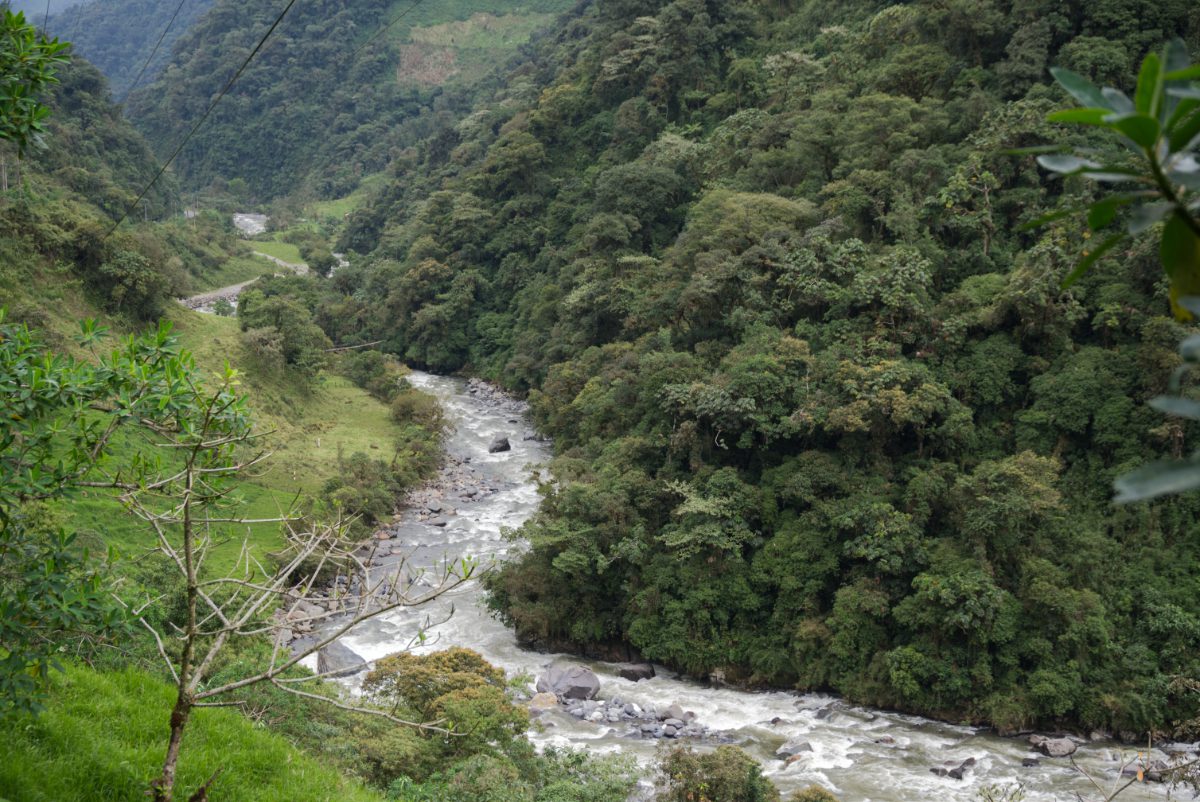
If your travels take you off the beaten path — like into the Ecuadorian Amazon or the highlands of Peru — evacuation insurance becomes especially important. In these areas, infrastructure is limited, and emergency services may be hours (or even days) away.
Medical evacuation providers specialize in getting you to a hospital fast, whether by road, air, or boat. Some even offer security evacuations in case of political unrest or natural disasters, which may be relevant in parts of South America where conditions can shift quickly.
We only started carrying evacuation coverage this past year — mostly because we were headed to a remote corner of Peru where we knew only a handful of people. When we’re in Ecuador, where we have a solid network of friends and contacts, we’ve felt more comfortable taking the risk. But with more off-the-grid travel ahead of us, we picked up an annual plan that covers evacuation, no matter where we are.
Our advice: This is one of those «know yourself» choices. What are the odds something could go wrong — like a broken leg, a bad infection, or worse? And how far will you be from a city with a decent hospital? If the answers give you pause, it might be worth the peace of mind — for you, or your partner.

Baggage Loss or Delay Insurance for South America
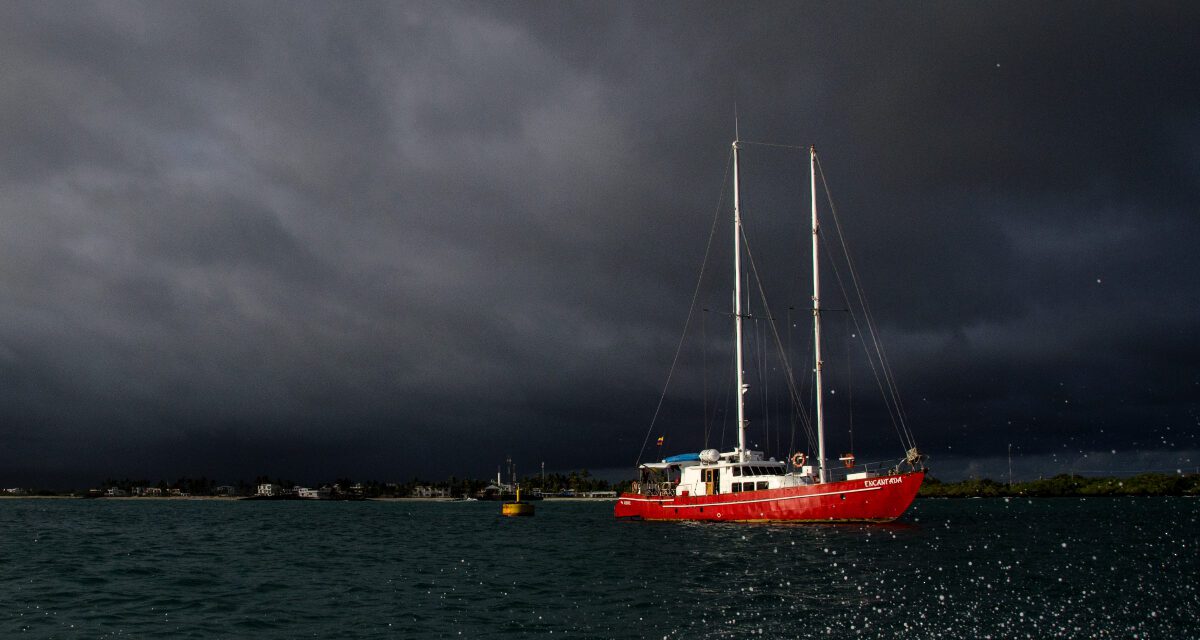
We’ve been lucky so far — our bags have always arrived when we did. But if you’re headed somewhere remote, like the Galápagos or a small Amazon lodge, losing your luggage could seriously derail your plans.
In bigger cities, it’s usually possible to find replacement clothes or gear, even if it takes a bit of effort. But in more isolated areas, there may not be much available — and certainly not the specific things you packed for your trip. Missing a few days of medication, specialty gear, or even a decent pair of hiking boots could make a real impact.
That’s where baggage insurance comes in. It can reimburse you for essential items if your luggage is delayed, or replace lost or damaged items entirely, depending on the policy. Just keep in mind that many policies cap reimbursement amounts and don’t cover every item, so it’s important to read the fine print — especially if you’re traveling with expensive equipment or specialty gear.
Our advice: If your trip includes tight timelines or remote locations, baggage insurance might be worth it. At the very least, consider carrying critical items — medications, chargers, travel documents, and one change of clothes — in your carry-on, just in case.
Watch for Exclusions and Warnings
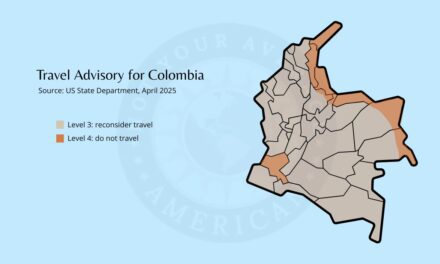
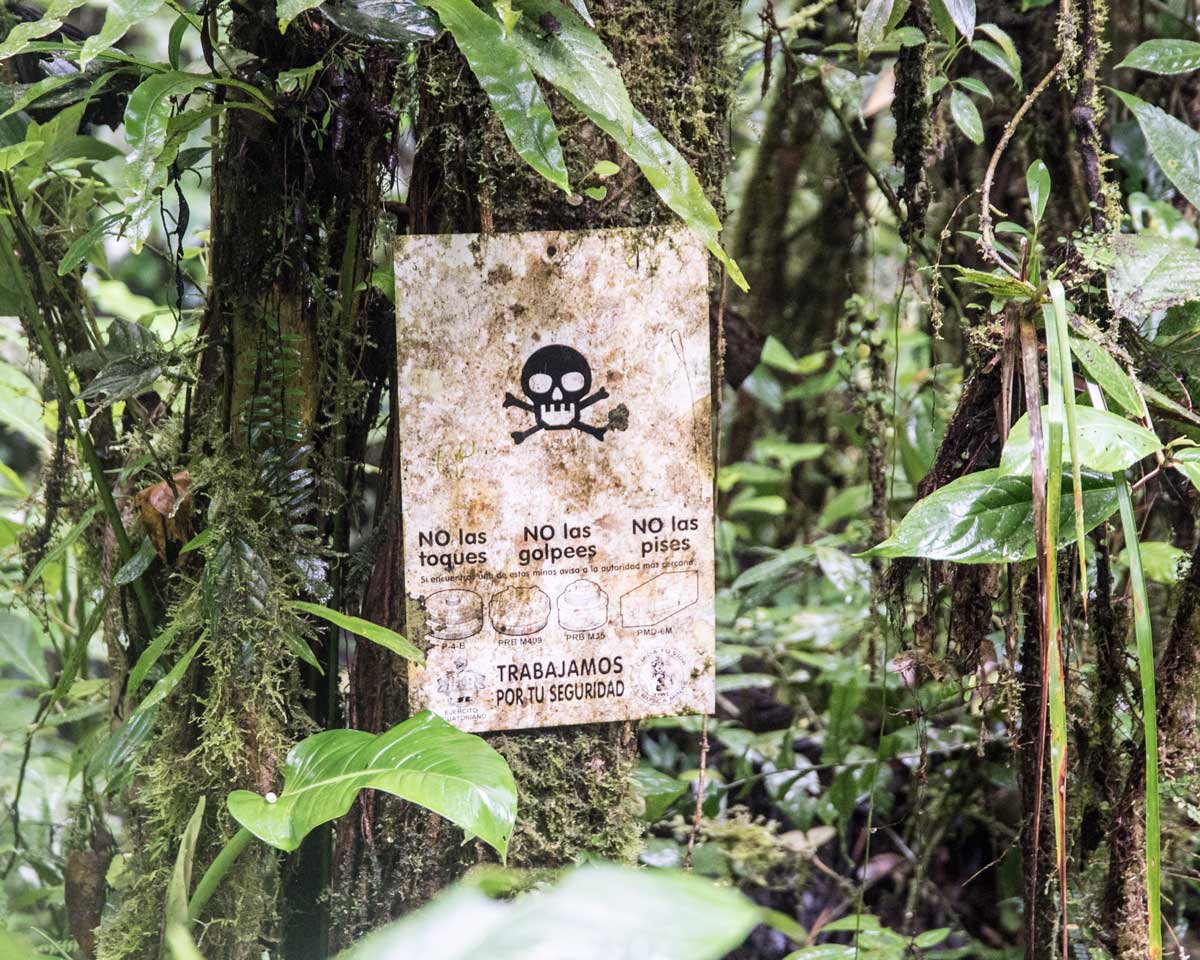
Not all policies cover every destination or activity. For example, some insurers won’t cover incidents in regions your home country has declared a “do not travel” zone. For US citizens, that includes parts of Ecuador, Colombia, Peru, and other regions where embassy services may be limited.
If your plans include adventure sports — like scuba diving, whitewater rafting, or mountain biking — make sure they’re explicitly covered under your policy. If you plan to hike at extreme high altitude (yes, there are hiking trails that go above 15,000 feet throughout the Andes), know that you may need special coverage for evacuation.
Bottom line? Travel insurance is highly personal. It’s about understanding your itinerary, identifying your risks, and choosing a policy that fills in the gaps. Start by comparing a few trusted providers — and make sure to read the fine print before you buy.
To start you off, we have three companies you might consider:

Wanderwell is based here in Portland, Oregon. We met them as a part of our research into sustainable and regenerative travel. Wanderwell is committed to making the travel industry more responsible by being a Certified B Corporation, a longtime business member of 1% for the Planet, and working with groups who share the goal of changing travel to better support all stakeholders. They have a 4.7/5 rating on Trustpilot with 97% of reviews at 5 stars.
Wanderwell Insurance In Depth
Angie met Wanderwell’s owner, Erin Fish, through their time together at the Transformational Travel Council. Ironically, we’re now neighbors! She has long been impressed with Wanderwell’s business model and the way Erin is always looking for ways to give back to the community.
Wanderwell’s range of coverage goes from the most basic to a comprehensive “cancel for any reason” plan. Insurance rules in the U.S. are state specific, so there may be other restrictions or requirements depending on where you live. If for any reason you need to make a claim, the Wanderwell customer service team become your advocate, which is a different process from the vast majority of other insurance providers.
You are eligible to use Wanderwell if:
- Your Home Country is the United States
- You are traveling outside the United States or are traveling away from your home and are scheduled to spend at least 24 hours away from your home.
- For children under age 6, they must be enrolled with a parent
- The initial purchase must be made in the United States prior to departing on trip.
The best way to see what coverage Wanderwell offers is to ask for a free quote. During the process, you will be able to select deductibles, coverage amounts, activities to be covered, and get your questions answered.
If at the end, you have more questions, Wanderwell’s customer service is happy to help.
If you are a tourism provider or travel consultant looking for an insurance partner, please reach out using this link.
«I purchased insurance through Wanderwell on a recent family trip. There were many flight delays on the return trip home which caused us to stay an extra night. Wanderwell was very easy to work with, had an attentive and caring customer support team, and ultimately the claim was approved in a timely manner.»
~Jordan Weisman, 5 star review on TrustPilot
World Nomads has provided travel insurance for more than 20 years and is available to customers world-wide, not only US Citizens. They are very focused on the responsible travel market with downloadable guides, travel tips, and, uniquely, travel scholarships for creators to improve their travel writing, photography, and filmmaking skills. They have a 4.3/5 rating on Trustpilot with 61% of reviews at 5 stars.
World Nomad Travel Insurance In Depth
We met World Nomad at a TravelCon event in Tucson, Arizona and were so impressed by their offering, we accepted the opportunity to partner with them. We really love that they provide micro grants and encourage content creators to travel by providing scholarships.
Before you start the quote process, make sure you have selected the country where you live before clicking go. It will determine coverages, restrictions, and fees in accordance with your residence country requirements. Then you will be asked to choose between these policies: Standard, Explorer, Epic, and Annual.
As one may assume from the name, the Standard plan is their basic level which covers things like overseas medical, coverage for your belongings, pre-trip cancellation and certain adventure activities. They recommend this for short trips or domestic travel.
The Explorer plan covers everything in the Standard plus increased benefit amounts and covered activities. It is recommended for longer trips, adventure travel, or international travel.
The Epic plan covers everything above at higher levels and is recommended for anyone going to a remote destination, luxury travelers, and those once-in-a-lifetime trips.
Finally, the Annual plan is for frequent travelers (domestic or international) and digital nomads. Coverage seems to lie between Standard and Explorer except for medical evacuation, which for some reason is set very low in comparison to the other plans.
Which plan you choose will depend on your specific trip plans and concerns. It’s important to look closely at your needs, as you cannot change the plan you purchased during your trip. A big help to make this decision is the detailed quote they provide. This quote will lay out the specifics of each plan’s coverage to include benefits and activities covered.
«It was easy to select my plan, and to add adventures that might require a little extra coverage. And it still was more affordable that other options!»
~K Mills, 5 star review on TrustPilot

Global Rescue is not a typical travel insurance provider. For more than 20 years, they have provided “integrated medical, security, travel risk and crisis management services” for members world-wide. That’s right, you join their organization for coverage, be it for a single trip or annual membership. Recently, they joined forces with International Medical Group (IGM) so that you can purchase travel insurance via their website as well. Trust Pilot reviews are not great: 2.4/5 for only 8 reviews. For 5 star reviews, we went to Yelp. More on this below.
Global Rescue and IMG In Depth
Let’s get the bad news out of the way first. Global Rescue gets mixed reviews online – and most center around unmet expectations around emergencies, particularly confusion over what qualifies for evacuation, delays in response time, and frustration with denied service in situations travelers believed were covered. Some reviewers note that the membership model is misleading, as it doesn’t function like traditional insurance, and requires travelers to read the fine print carefully to fully understand limitations. So you are forewarned.
That said, Global Rescue has recently partnered with IMG, a traditional travel insurance provider — and this combo makes a lot more sense for most travelers. With IMG, you can now get full coverage for:
- Trip cancellation and interruption (up to $100,000)
- Emergency medical and dental expenses (up to $100,000)
- Baggage loss and delay
- Sports equipment rental
- Optional upgrades like Cancel For Any Reason or Interrupt For Any Reason
Most policies also provide coverage for travelers up to age 99, and there are fewer activity restrictions than some other providers. This means you can get trip protection + evacuation coverage in one place — and still have access to Global Rescue’s team if things go sideways.
Despite those concerns, we still chose to use
We first learned about Global Rescue when Angie was planning a group trip to a Level-4, Do Not Travel region of Ecuador. A few participants bought Global Rescue to give their families peace of mind. So when we planned our recent trip to remote Peru, we decided to join too. For us, the ability to call a single number and be medically evacuated back to Portland, Oregon, if needed, was worth it — especially since we usually take multiple international trips each year.
- The membership also comes with a few extras we found useful:
- Real-time check-ins via their app (great for group travel)
- Telehealth access for common issues like altitude sickness or food poisoning
- Pre-trip alerts for major security concerns — Angie got a tsunami warning while we were in Lima!
If you’re headed somewhere with limited infrastructure or unpredictable logistics, Global Rescue paired with IMG could be a solid option. But again, read the policy carefully, especially if you’re planning high-altitude trekking or other adventures that may require special coverage.
Our tip: When you click the «Join» button on our Global Rescue partner page, you’ll be able to get a quote from IMG, Global Rescue, or both before committing to anything.
If you want to learn more, read Angie’s article: Global Rescue Medical Plan for Travel in South America? Check!
«Very responsive and calm when we were distressed. We had to exit Colombia for medical care and they were able to assist with logistics. They called ahead to medical facilities to determine which place was best. Once it became clear we had to leave the country, they found the most efficient route and confirmed with the hospital in Miami so they were expecting us and were prepared. I will travel with Global Rescue in the future.«
~Kaye W., 5 star review on Yelp
Bottomline: Travel insurance is a decision based on your personal assessment of risk. If that assessment comes out in favor of insurance, do your homework on companies, coverage and the fine print. When you find a company that looks good, run an estimate on their webpage or talk to an agent to get an idea of the costs. Shop around for the best combination of price and coverage. Good luck and happy travels!
Our certifications



Our Collaborations and Clients











We design and host websites. Learn more at NYAA-Consulting.com
Not Your Average American is partnered with:
Travel Insurance for Good
Our certifications
Our Collaborations and Clients
We design and host websites. Learn more at NYAA-Consulting.com