

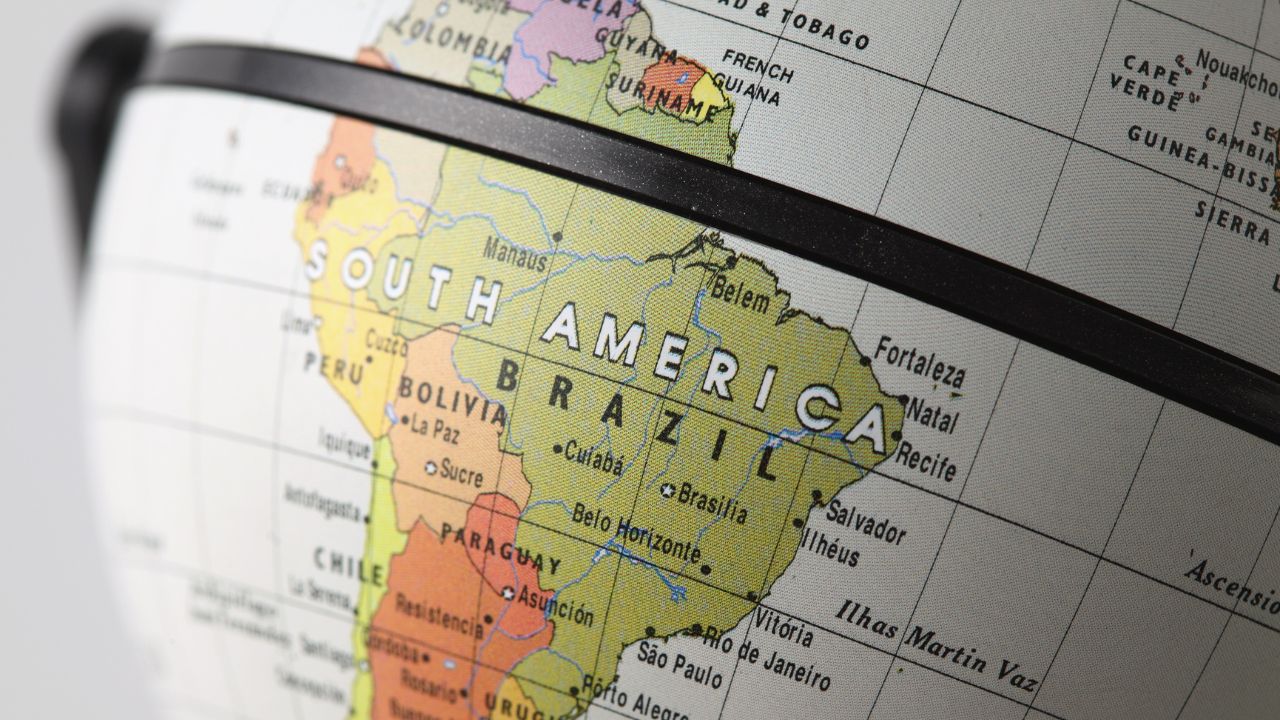
On 3 January 2026, U.S. Military Forces raided Venezuela’s capital city, Caracas, and captured the Venezuelan President, Nicolas Maduro. This attack, while a complete surprise, followed months of force movements into the area and extensive news coverage of U.S. government concerns about the Maduro governments’ role in drug trafficking to the United States. Since the raid, U.S. President Donald Trump has said that other countries in the Americas (Cuba, Mexico, and Colombia in particular) could also be targets of U.S. military intervention.
There are many topics one could write about regarding the background to and the aftermath of these events to the region. We are going to focus solely on their possible impacts on travel and what you might want to consider while you’re making a travel decision to a South American destination like Colombia, Ecuador, or Peru.
Is it safe right now to travel to South America?
I’m going to go with a very qualified “yes” for most countries. The only hard “no” I have is, unsurprisingly, Venezuela. The security situation post-Maduro is just too fluid for pleasure travelers and dicey for business travelers without protective support.
So why a qualified “yes?”
Because “Is it safe?” is never a single question. To make a real decision, you need to weigh several factors:
- The overall security situation in the country.
- The specific region or city you plan to visit.
- How you’ll travel — guided tour, private driver, or independent trip.
- Where you’ll stay — established hotels, family-run lodges, or informal accommodations.
- What you plan to do — nature travel, urban exploration, nightlife, or remote trekking.
- Your personal comfort with risk and uncertainty.
All of these issues and more play into our decisions about where and when we travel in South America.
So, you’re probably saying to yourself, “how can I make all those determinations if I’ve never been where I want to go?” Let’s talk about some resources and rules of thumb you can use to help those decisions in the next section.
General Rules of Thumb for Weighing Risk
As a general rule, the more support behind your trip, the safer you’re likely to be — but it’s worth unpacking what that actually means. International tour companies don’t have secret security intelligence; they rely on the same local guides and operators that independent travelers use. The difference is in risk tolerance and responsibility. Larger companies are less willing to place guests in situations that could require complex or expensive extraction, because they carry legal, financial, and reputational exposure. That generally leads them to make more conservative routing and activity decisions.
Local guides often have deeper on-the-ground knowledge and strong instincts for changing conditions, but they may also be more willing to operate closer to the margins. Planning your own safe trip calls for in-depth research, risk assessment, and contigency plans.
We’ve traveled at all three levels over the years with good outcomes in each. The right choice depends on the country, the local situation, and your own familiarity with both.
Travel Advisories Make For Useful Starting Points
Overall country conditions matter, and government travel advisories are a useful starting point. Most advisory systems assign a national-level rating, but they also break conditions down further by region, city, or even specific neighborhoods. We start with the national advisory and generally look for U.S. State Department Level 2 (“Exercise Increased Caution”) or lower.
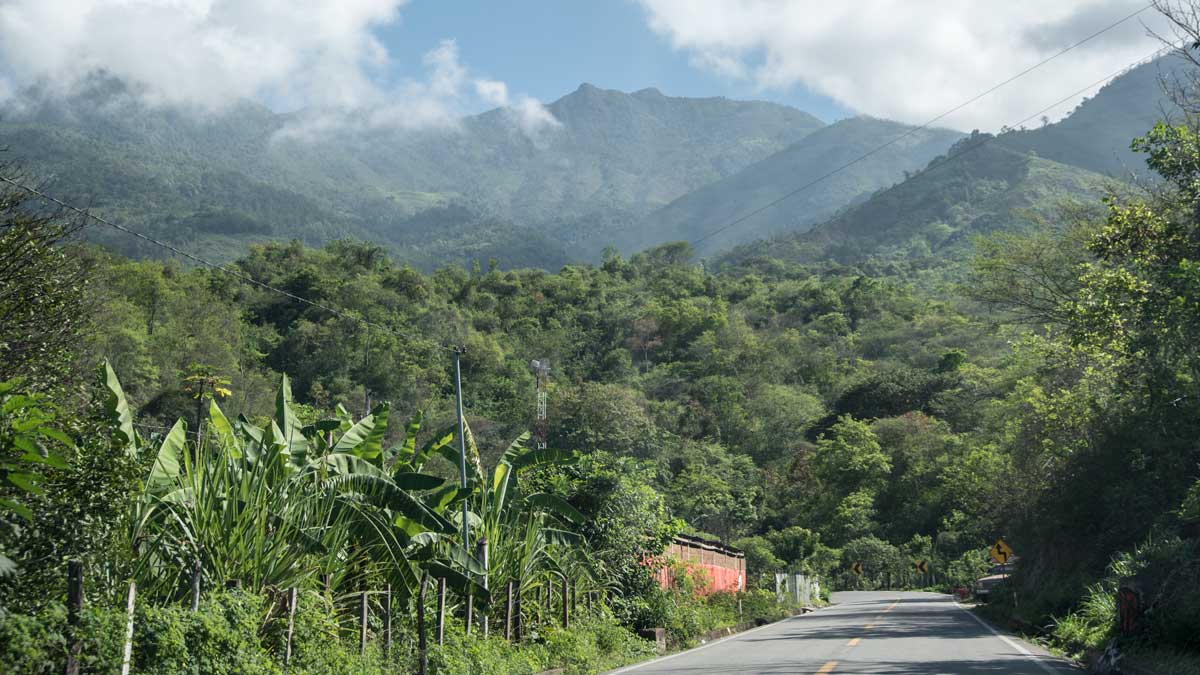
Then we read the regional notes carefully. In Ecuador, for example, national headlines have often painted the entire country as unsafe, but the advisory details make clear distinctions. We’ve continued to travel comfortably in the Andes and much of the Amazon basin while avoiding the coast and the northern border region with Colombia, where security conditions are genuinely volatile.
Finally, think carefully about how your travel style may be perceived on the ground. We once had a reader ask about a self-guided trip along Ecuador’s coast: a group of young men, all birdwatchers, planning to rent a van and move between remote sites. In a region dealing with drug trafficking, a van full of young men moving quietly from place to place can look very different to local authorities or armed groups than it does to a group of tourists with binoculars. Appearances matter. The same itinerary, run with a known local guide or operator, would present far less ambiguity. What you intend and how you’re perceived are not always the same thing — and in some environments, that difference matters.
Using the Escalation Ladder: What U.S. Embassy Status Signals for Travelers
Back in the Cold War, strategists talked about an “Escalation Ladder” — a series of steps showing when a crisis was getting worse or starting to calm down. I use a similar concept to when judging whether a country is safe to visit. There’s a bunch of stuff I consider, for this article let’s focus on a chain of events that’s really easy to follow; the status of U.S. Embassy personnel and their families.
I really never thought about it before we were assigned to the U.S. Embassy in Quito, but there are thousands of Americans working and living overseas in support of our Embassies. While the U.S. State Department makes the call on wether or not families can accompany personnel working in the Embassy, each location makes the determination as to when changing conditions are too dangerous for families to remain.
When that happens, the State Department can order (and pay for) an “ordered departure” where families are sent away until conditions improve. If things get worse, the U.S. State Department can order “non-essential” personnel to be evacuated as well. In extreme situations, the final step is closing the U.S. Embassy. At that time, U.S. concerns are managed via a third-country with a local Embassy.
That’s what happened long before the recent raid in Venezuela: Washington suspended operations at the U.S. Embassy in Caracas in March 2019, withdrawing diplomats and running Venezuelan relations out of Bogotá, Colombia. All consular and emergency services for U.S. citizens were suspended then and remain so today.
No other country in South America is without a U.S. Embassy, and every U.S. Embassy in the region currently has staff and families in residence.
Any of these steps are major decisions, and they’re rarely taken quietly. They will show up in official announcements and credible international news. If you see an embassy ordering departures, reducing staff, or closing altogether, take it seriously: cancel or postpone your trip. If you’re already in-country when it happens, start planning your exit.
Resources to help you plan travel to South America… or anywhere overseas
Government travel advisories remain the most consistent starting point for assessing country-level risk — but not all of them update at the same speed. The U.S. Department of State travel advisory site is useful for understanding official policy, entry requirements, and embassy guidance. Think of it as a baseline reference rather than a real-time feed, since updates often move slowly through multiple levels of review.
For current conditions, we rely more heavily on the Australian Government’s Smartraveler site. Their advisories update quickly, their regional breakdowns are clear, and you can sign up for country-specific email alerts when situations change. For tracking South America in real time, it’s the most responsive public tool we’ve found.
We’ve also created a free PDF of official travel advisory links for the Andean nations, which puts all the key government sites in one place.
News coverage also matters. If you don’t speak Spanish, AP and Reuters provide reliable English-language reporting across the region. If you do read Spanish — or want a curated list of trustworthy outlets — Angie put together a resource guide to Ecuadorian and international news sources that work well for tracking developments across South America.
In an uncertain climate, it’s also worth thinking about travel and evacuation insurance. Standard travel insurance may cover medical issues or trip interruption, while evacuation policies can include extraction for civil unrest or security incidents. We hadn’t considered evacuation coverage until planning travel to more remote parts of Ecuador and Peru last year. After comparing options, we chose an annual Global Rescue membership in lieu of travel insurance.
Beyond evacuation coverage, their membership includes detailed country intelligence reports. We recently downloaded a 34-page report for a client, covering security conditions, transportation risks, health concerns, and regional dynamics — far beyond what public advisories provide. Angie wrote up what we looked at and why — because with insurance, the fine print matters. Recent travelers in the Caribbean learned this the hard way when the military-related disruptions taking place in Venezuela weren’t covered by their travel insurance. That’s exactly the kind of detail you want to understand before you go.
Bottom-line: Yes, it’s still safe to go to many places in South America
Just be smart about it, plan ahead, and have contingency options if things start to go bad.
And remember: travel advisory pages aren’t only about security situations. They also flag local laws and enforcement differences that can catch visitors off guard. Don’t be the person carrying CBD oil, edibles, or neatly portioned “supplements” in your bag. The arrest, fines, or detention you avoid may be your own.
Safe travels — and see you out there.


Deja una respuesta