Esta historia puede contener enlaces de afiliado; si compras a través de ellos, ganamos una pequeña comisión sin coste adicional para ti. Cómo funciona.
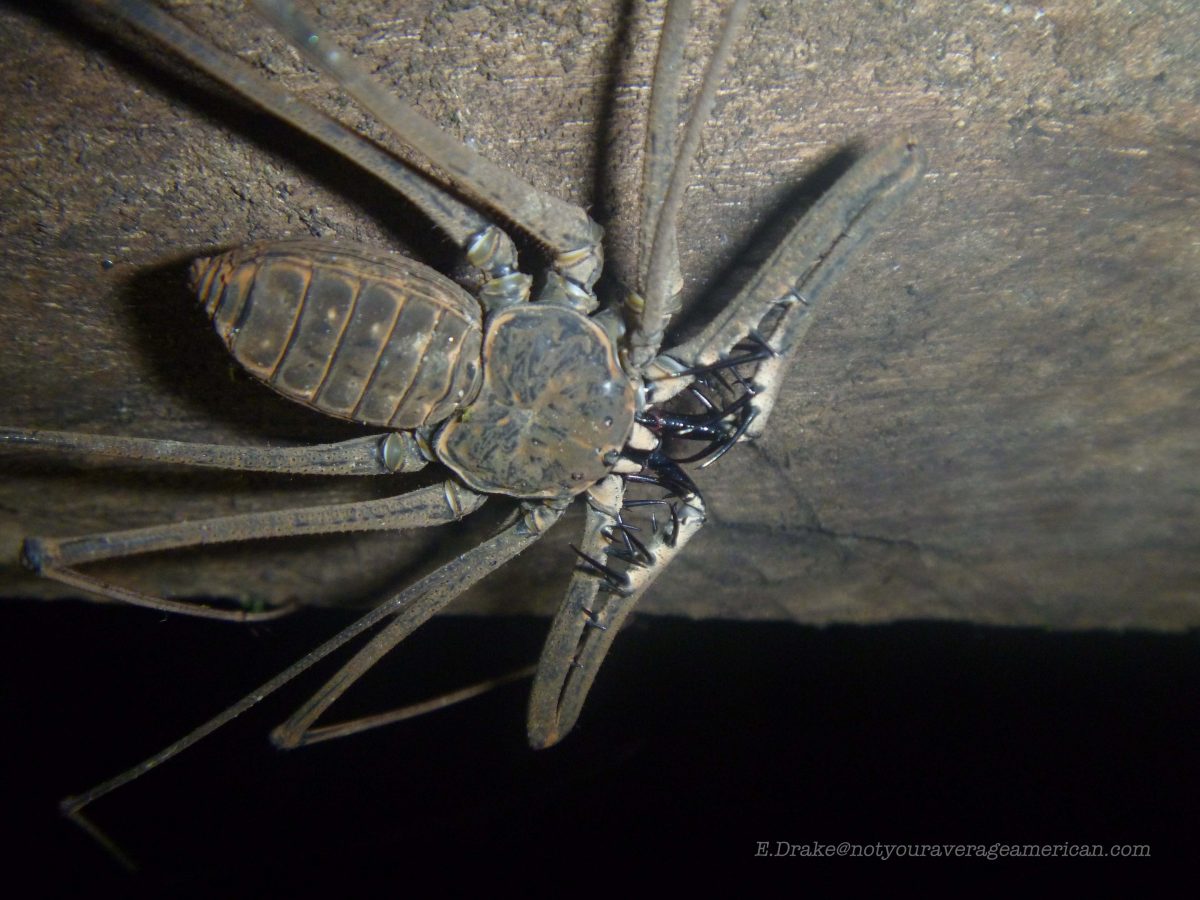
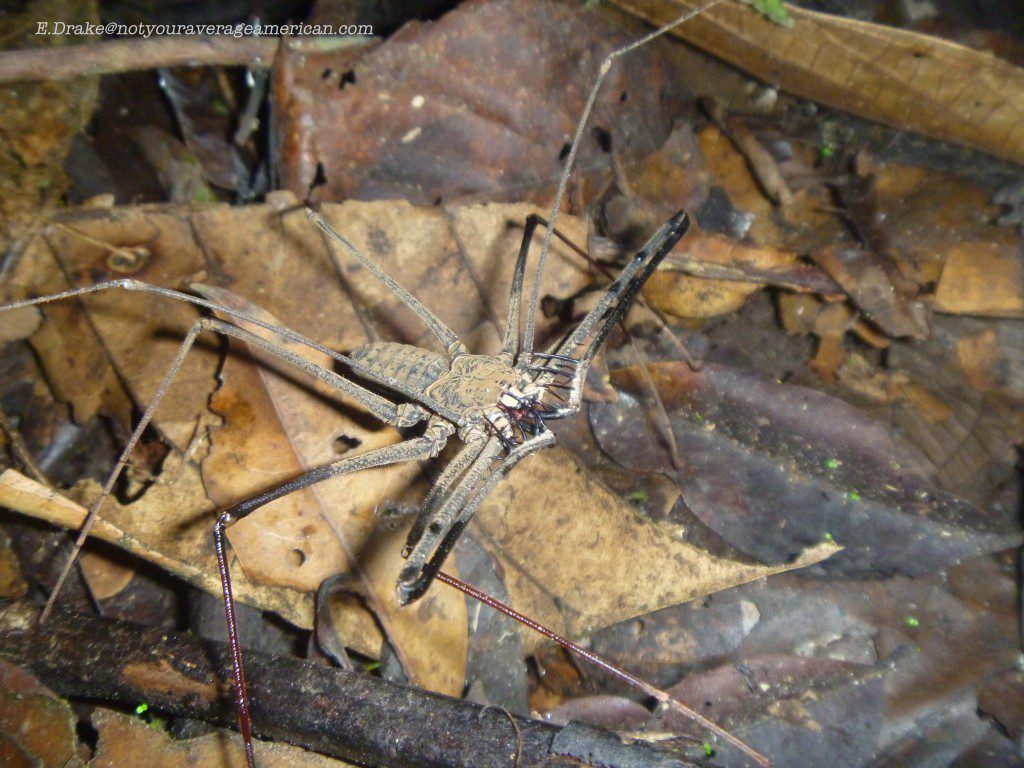
This creature is actually a type of arachnid. Descriptions of False Scorpions often refer to their small size. Obviously, the writers of these articles have never visited the jungles of Ecuador. The body of this arachnid is about 3.5 inches long. Including his legs, he appears absolutely huge.
This creature is actually a type of arachnid. Descriptions of False Scorpions often refer to their small size. Obviously, the writers of these articles have never visited the jungles of Ecuador. The body of this arachnid is about 3.5 inches long. Including his legs, he appears absolutely huge.Grasshoppers were by far the most common insect we saw at night yet few of them resembled each other. All were incredibly unique despite their common lineage.We saw an amazing variety of grasshopper type insects, including this one with a sharp, leave-tipped nose.Not quite like the lady bugs of North America, this beetle still sports the flashy red and black coloring.This scary looking creature is more closely related to spiders than scorpions.A millipede isn’t really an insect but a diploploda. You can tell he isn’t a centipede because he has two legs per body segment.Not all spiders build webs to catch their prey. Some hunt in the leaf litter on the ground.Night is the perfect time to catch a late night meal for a spider in the jungle.Butterflies rest at night, perching on the ends of branches.This guy is so thick, he looks almost like a crustacean from the ocean rather a grasshopper in the jungle.Check out the legs on this chunky beetle; he comes with his own thorns, like much of the flora in this jungle habitat.This grasshopper has the longest legs and antennae we have ever seen on an insect.This spider has his own natural leaf camouflage.This Walking Stick is so realistic that his body even has little thorns.The actual length of this spider’s body, without legs, is about 3 inches.
{{nyaa-dropcap}}The Oriente is full of creepy crawlies of all kinds… but so many are easier to see at night.
This is a collection of photos we took while staying deep in the jungles of the Pastaza Province in the Amazon Basin of Ecuador. They were taken using a combination of head lamps and hand-held flashlights.
It might be interesting to know that the locals had a very hard time with us hitting the trails at night. Most of these photos were taken very close to the lodge. On one evening we went on a night hike with our local guide in hopes of finding a boa constrictor (no such luck). He explained to us that there are a lot of dangerous creatures in the jungle and most of them are nocturnal. Therefore, it is always considered safer to stay home at night. Why take chances?
If you have the chance, please read Jared Diamond’s book, The World Until Yesterday: What Can We Learn From Traditional Societies? He hits on the cultural difference of risk taking and how to some cultures something that we see as not very risky, like camping near a dead tree, might seem very riskly to people who have lost family to a tree that fell in the night. Of course hiking these jungles at night comes with some risk… but so does using all the modes of transportation we took to arrive to this destination deep in an Amazonian Jungle.
This creature is actually a type of arachnid. Descriptions of False Scorpions often refer to their small size. Obviously, the writers of these articles have never visited the jungles of Ecuador. The body of this arachnid is about 3.5 inches long. Including his legs, he appears absolutely huge.Grasshoppers were by far the most common insect we saw at night yet few of them resembled each other. All were incredibly unique despite their common lineage.We saw an amazing variety of grasshopper type insects, including this one with a sharp, leave-tipped nose.Not quite like the lady bugs of North America, this beetle still sports the flashy red and black coloring.This scary looking creature is more closely related to spiders than scorpions.A millipede isn’t really an insect but a diploploda. You can tell he isn’t a centipede because he has two legs per body segment.Not all spiders build webs to catch their prey. Some hunt in the leaf litter on the ground.Night is the perfect time to catch a late night meal for a spider in the jungle.Butterflies rest at night, perching on the ends of branches.This guy is so thick, he looks almost like a crustacean from the ocean rather a grasshopper in the jungle.Check out the legs on this chunky beetle; he comes with his own thorns, like much of the flora in this jungle habitat.This grasshopper has the longest legs and antennae we have ever seen on an insect.This spider has his own natural leaf camouflage.This Walking Stick is so realistic that his body even has little thorns.The actual length of this spider’s body, without legs, is about 3 inches.
Angie is a regenerative tourism advocate who helps travelers find meaningful, responsible experiences throughout the Americas. She connects thoughtful travelers with small, values-led tourism businesses that put people and planet first. Curious about how your next trip can make a real impact? Reach out!
Viajes responsables. Creación de comunidad. Una carta de Angie y Scott, unas pocas veces al mes, con historias de la carretera y de los socios con los que trabajamos.
Utilizamos cookies para garantizar que le brindamos la mejor experiencia en nuestro sitio web. Si continúa utilizando este sitio, asumiremos que está en acuerdo del uso.







Deja una respuesta